Check the status in the relevant account
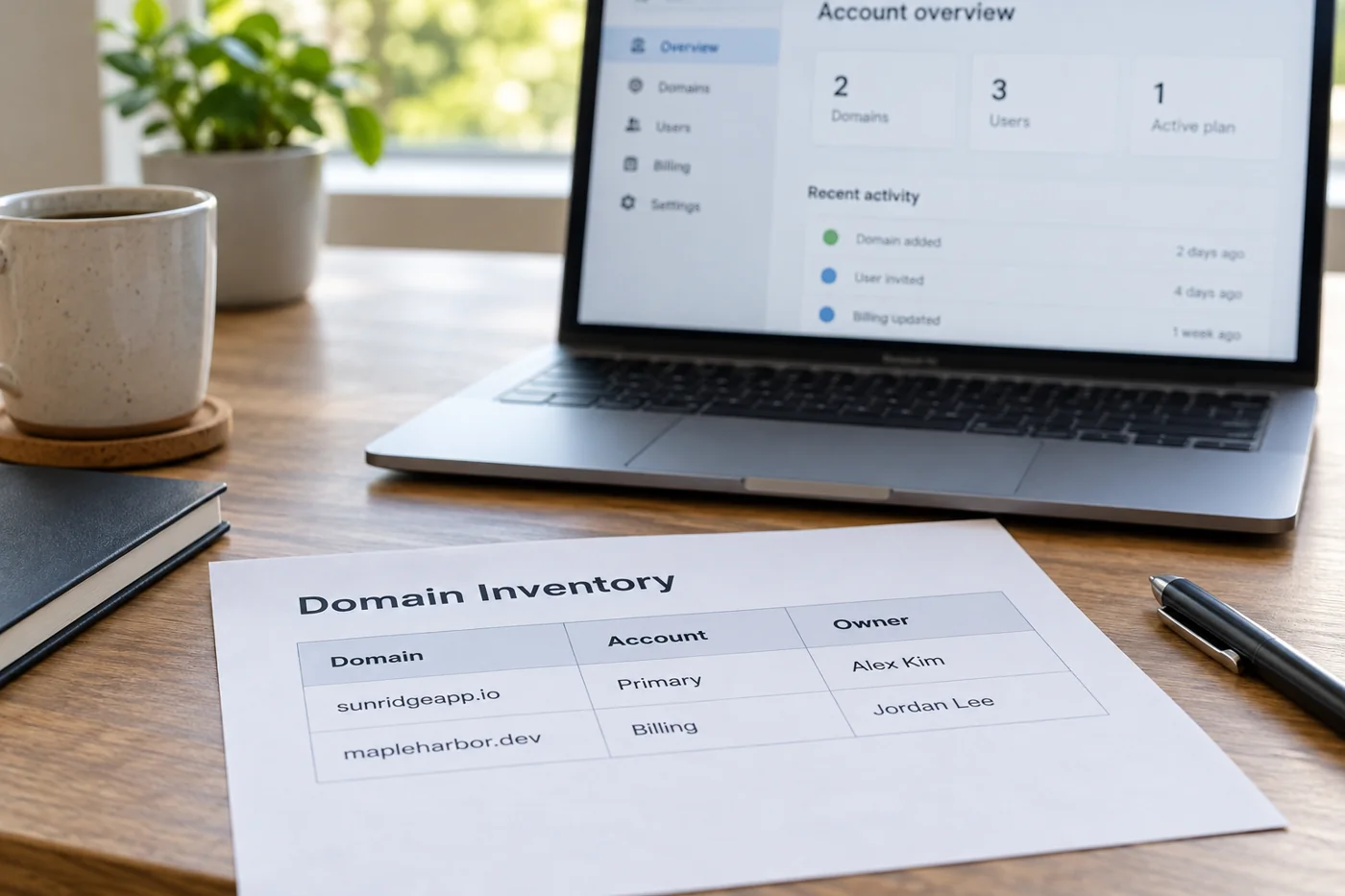
Open the known management account through your documented route. Compare the domain name, displayed registration or renewal status and the renewal setting. Record when the check happened and who performed it. An invoice for a different domain or a hosting package is not sufficient evidence for the name you meant to verify.
Read the provider's terms for that particular domain ending. ICANN notes that renewal options and fees vary among registrars for the registrations it discusses. Do not automatically apply that guidance to every country-code domain. If a date or term is unclear, ask the provider to explain it before deriving an internal deadline from it.
Reminders need an actual reader
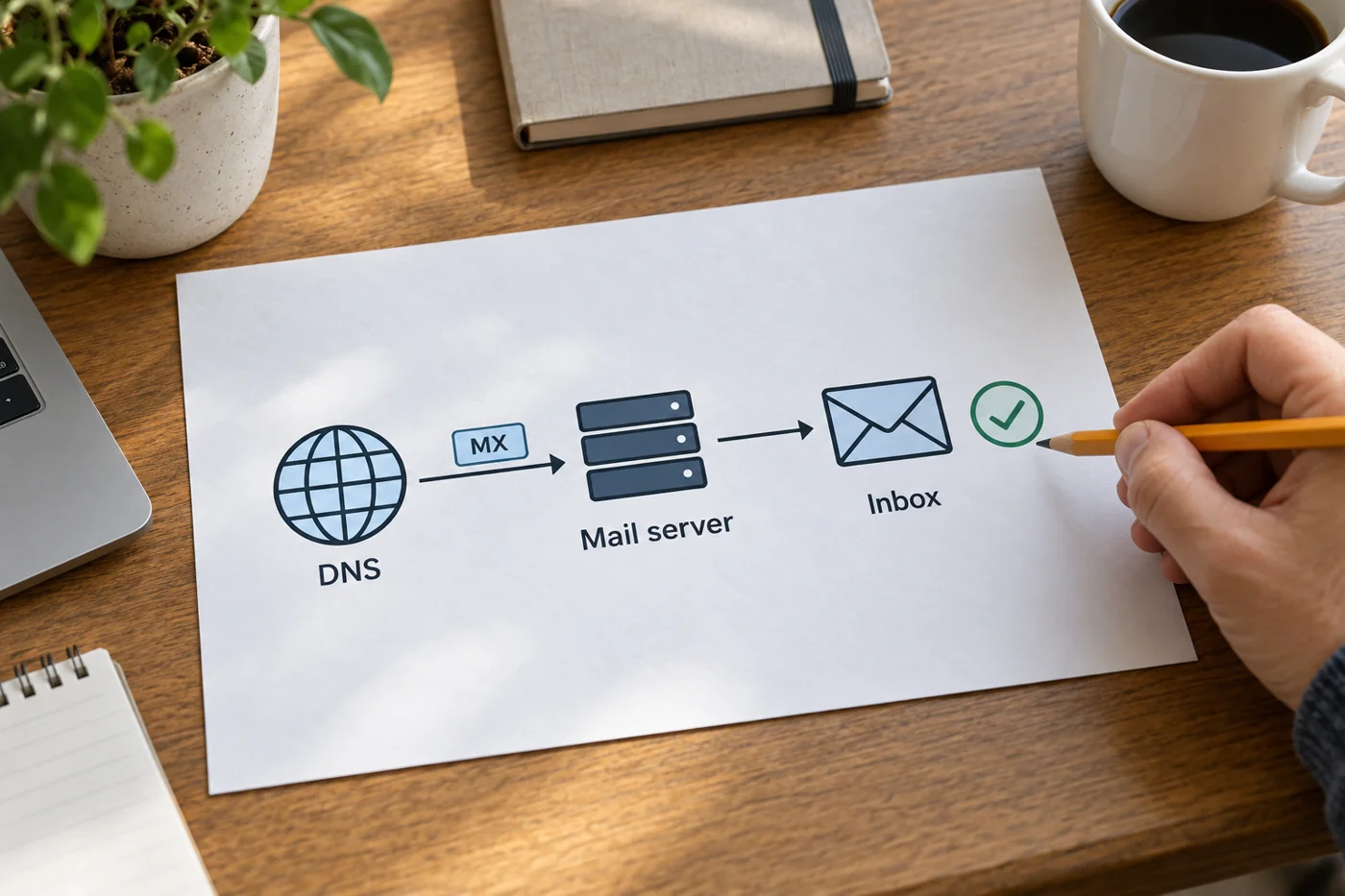
Check which address receives notifications and who monitors that mailbox. An address belonging to someone who has left needs a managed update. Also see whether automated sorting hides notices in a neglected folder. An existing address does not establish that someone will read a message in time.
Set an internal reminder with enough room for questions. Name the domain and the account status to check instead of simply writing “renewal”. Someone covering an absence should know where confirmed information is stored and whom to contact about uncertainty.
Verify unexpected payment requests
Compare unfamiliar requests with your documented suppliers. Sign in through the known account route or use an already confirmed contact method. Do not infer from an email alone that you need to change provider or alter account credentials. Keep the disputed message available for an inquiry without sharing any passwords it may contain.
After renewal, check the updated status in the responsible account and revise your inventory. If payment has been initiated but renewal remains unclear, leave the task open. Your internal note should make that difference visible so another person does not assume the work is complete. Record the follow-up owner as well as the next review date.